Conveyor Belt Skirting: How it Works & Why You Need It
Conveyor Belt Skirting connects at the transfer spot on your conveyor system. You use it to stop materials and dust from getting out when they fall from a chute onto a moving belt. This skirting works like a dust seal. It stops spills and keeps dangerous debris from going under the chute. You will n
More >>
What is a Belt Scraper and How Does it Work?
You use a belt scraper, also called a belt cleaner, to take off leftover material from a conveyor belt. This tool helps keep your system clean and stops material from staying on the belt. If you do not use a scraper, you can have many problems:Material can stick to the belt and make it work less wel
More >>
Comparing Different Types of Impact Bars for Conveyors
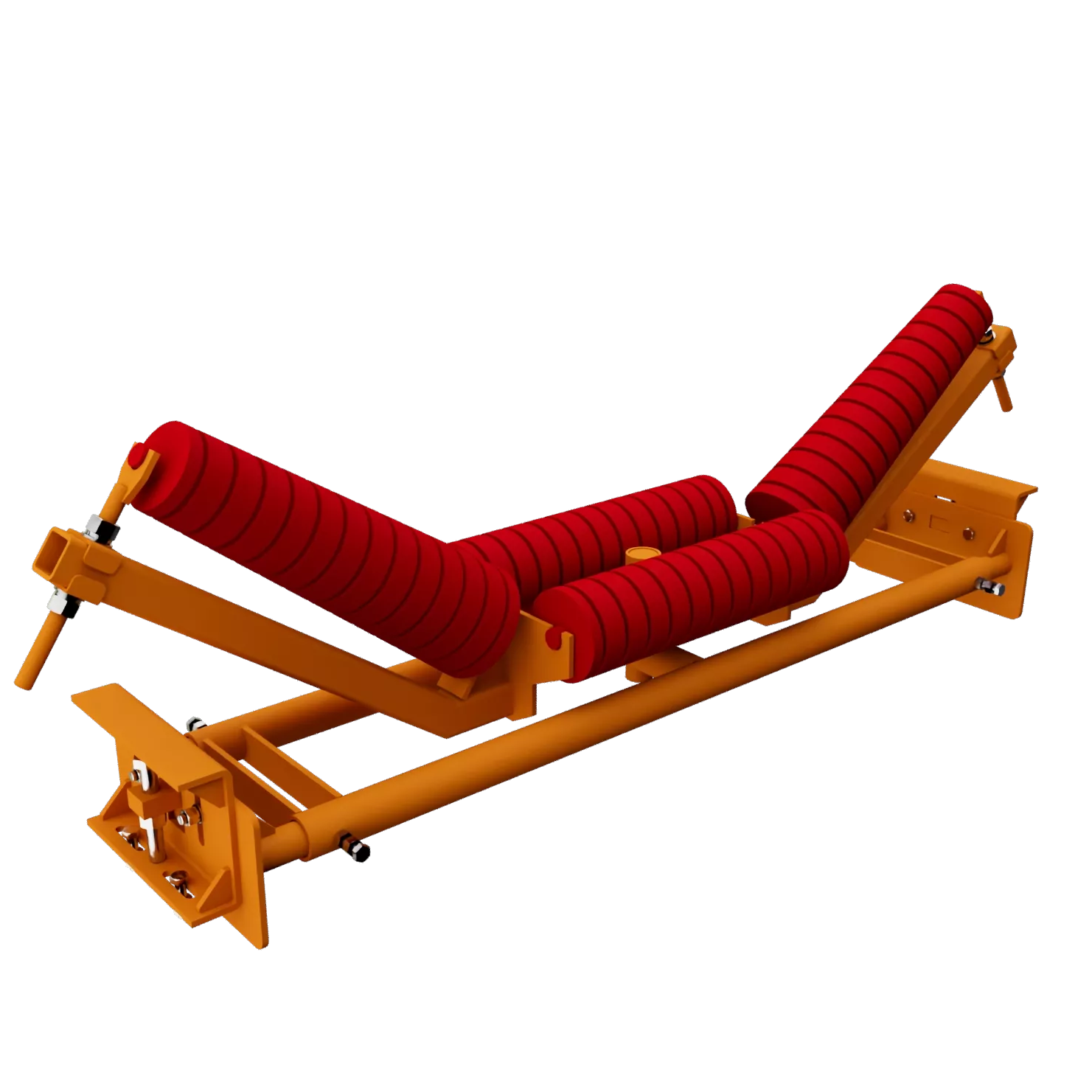
You can find different impact bars in conveyor systems. These are rubber, polyethylene, hybrid, and steel-reinforced types. Each type has its own material and build. They help with different impacts and places. The right impact bar keeps your conveyor belt safe. It also helps people stay safe. Good
More >>
Conveyor Belt Scraper Types: A Comprehensive Guide
You use a Conveyor Belt Scraper to keep belts clean and safe. Picking the right type helps stop material from spilling. It also helps the belt last longer. This means you spend less time and money fixing things. A good scraper can take away up to 95% of leftover material. This leads to less dust and
More >>
Difference Between Primary and Secondary Scraper
Belt conveyor systems are the backbone of material handling in industries such as mining, agriculture, and manufacturing. A critical component of these systems is the Belt Cleaning Systems, which ensure efficient operation by removing residual material from conveyor belts. Among these systems,
More >>
Guide for Heavy-Duty Conveyor Belt Primary Scrapers
In heavy industries—mining, metallurgy, coal handling, and chemical processing—conveyor belts don’t just move material; they move your uptime, safety, and operating cost. When carryback (material stuck on the return belt) starts building up, it triggers a chain reaction: spillage under the return ru
More >>