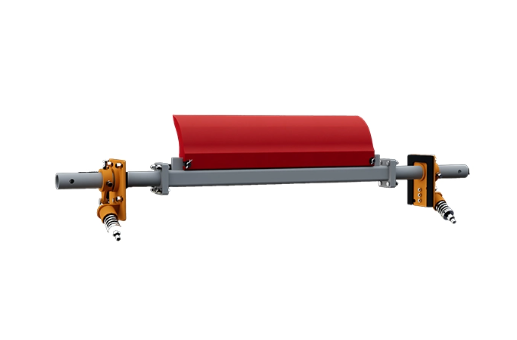
You use a belt scraper, also called a belt cleaner, to take off leftover material from a conveyor belt. This tool helps keep your system clean and stops material from staying on the belt. If you do not use a scraper, you can have many problems:
Conveyor Belt Scrapers also help keep food and medicine safe because they lower the risk of germs and help keep product quality high.
Evidence Point | Description |
Product Buildup Prevention | Belt scrapers stop material from piling up, which helps with cleanliness and makes things work better. |
Microbial Contamination Reduction | Scrapers take away leftovers and lower the chance of germs, which is important for food and medicine. |
Consistent Product Quality | Scrapers help products stay clean and meet cleanliness rules. |
Key Takeaways
Belt scrapers help keep conveyor belts clean. They remove leftover material from the belt. This makes the system work better and need less fixing.
Scrapers help stop contamination in food and medicine. This keeps products safe and good quality.
Scrapers work best when put in the right spots on the conveyor. This helps clean better and stops material from piling up.
Checking and fixing scrapers often makes them last longer. It also helps the conveyor system work better.
Picking the right scraper and blade material is very important. This helps clean well and last longer in different jobs.
Conveyor Belt Scrapers Overview
What They Are
Conveyor Belt Scrapers help keep conveyor systems clean and safe. These tools are also called belt cleaners. They use a blade or brush that pushes against the moving belt. The scraper takes off material that sticks after each cycle. You can see scrapers used in many places, like mining and food processing. They stop problems that come from leftover debris.
Belt Scraper: This is a blade or brush that pushes on the moving conveyor belt to take off stuck material.
Belt Cleaner: This is another name for the same tool, mostly used in factories.
Conveyor Belt Scrapers are important for keeping work areas clean and lowering risks from dust and debris.
Main Functions
People use Conveyor Belt Scrapers for many important reasons. The main job is to take off leftover material and stop carry-back. Carry-back is when material stays on the belt and goes back through the system. This can make spills, contamination, and more maintenance work.
A clean conveyor helps stop dust from spreading.
It stops slips or falls from material under the belt.
It lowers carry-back by stopping material build-up.
It stops spills and keeps the conveyor clean.
It helps the belt last longer by stopping wear from debris.
It makes things work better by keeping materials moving smoothly.
It makes work safer by lowering risks from falling material.
It cuts down on debris and lost material, so there is less downtime.
It helps make more products and earn more money.
It saves energy by stopping extra weight on the belt.
The Hazard Analysis and Critical Control Point (HACCP) system says picking the right conveyor belt and cleaning tools is important for keeping things clean and safe. In food processing, you must keep the conveyor clean to protect the safety and quality of products. Scrapers help you follow hygiene rules and stop bacteria from growing on the belt. High cleaning standards are very important, especially after recent food recalls. Using Conveyor Belt Scrapers helps make a safer and cleaner place to work.
If you do not use a belt scraper, leftover debris can pile up. This can cause product contamination and safety problems. You can stop these issues by using scrapers in your system.
How Belt Scrapers Work
Placement on Conveyor Systems
You need to know where to place scrapers for the best cleaning results. Conveyor Belt Scrapers sit at key spots along the conveyor system. Most often, you will find them at the head pulley, which is the main discharge point. Here, the scraper removes most of the leftover material as the belt turns over the pulley. Some scrapers, like secondary scrapers, sit further down the line to catch any material the first scraper missed. You may also see V-plow scrapers at the discharge end. These clear material from the sides of the belt. Cleaning blades can be found at the tail pulley or on the return side to keep the belt clean as it loops back.
Several factors affect where you install a scraper. The design of the cleaner, the way you mount it, and the position of conveyor parts all play a role. The table below shows what you should consider:
Factor | Description |
Cleaner design | The shape and style of the scraper decide where you can put it on the conveyor. |
Tensioner and mounting requirements | You need to follow the rules for how tight and secure the scraper must be. |
Position of structural components | The location of beams, bearings, and drives can change the best spot for your scraper. |
Tip: Placing Conveyor Belt Scrapers in the right spot helps you get the most out of your cleaning system and keeps your conveyor running smoothly.
Cleaning Mechanism
When you use Conveyor Belt Scrapers, you follow a clear process to keep your belt clean. Here is how it works:
Installation: You install the scraper at the discharge point, usually at a 90-degree angle to the belt. This spot lets the scraper touch the belt as it moves.
Engagement: You make sure the scraper touches the belt. Some systems use electric, air, or hydraulic devices to move the scraper into place.
Material Removal: As the belt moves, the scraper blade presses against it. The blade scrapes off stuck material, cleaning both the pulley and the return side.
Maintenance: You check the scraper often. You want to make sure it keeps touching the belt and that the belt stays smooth.
Adjustment: You may need to move the scraper if the material on the belt changes or if the chute design needs it. This stops material from building up.
Precleaners play a special role in this process. You mount a precleaner on the head pulley, just below where the material flows off the belt. The precleaner removes most of the carry-back, sometimes up to 80%. After the precleaner, a secondary cleaner sits further down the line. This cleaner gives the belt a final sweep, reaching up to 90% cleaning efficiency.
Type | Function | Placement |
Precleaner | Removes most carry-back (up to 80%) | Mounted on head pulley, below material flow |
Secondary Cleaner | Final cleaning (up to 90% efficiency) | Further down the line, past the head pulley |
You will notice that using scrapers cuts down on material sticking to the belt. This means less damage to your equipment and less wear. You still need to check and maintain the scrapers to keep them working well. Good scrapers help you plan your maintenance better and keep your conveyor system in top shape.
Note: Regular inspection and adjustment of your scrapers help you avoid bigger problems and keep your conveyor running longer.
Types of Conveyor Belt Scrapers
Primary Scrapers
Primary scrapers sit right where the material leaves the belt. They are placed at the head pulley, which is the main spot for unloading. Their job is to take off big pieces that stick to the belt. Most primary scrapers use urethane blades because they are strong and bend easily. These scrapers can remove about 60% to 70% of carryback. This keeps your belt cleaner and cuts down on maintenance time.
Type | Function | Material Used | Efficiency Increase |
Primary Belt Cleaner | Removes larger chunks after unloading | Urethane | Up to 70% |
Tip: Put primary scrapers at the discharge point. This helps catch most material before it causes trouble.
Secondary Scrapers
Secondary scrapers clean up what the primary scrapers miss. You place them further down the conveyor, usually before the return rollers or idlers. These scrapers use lighter blades, often made from tungsten carbide. They target small bits and leftovers that stick to the belt. With secondary scrapers, you can clean over 90% of carryback. Their placement is key for keeping the belt clean and stopping problems later.
Type of Scraper | Location | Functionality |
Secondary Scrapers | Further down the belt | Cleans finer residues left by the primary scraper. |
Secondary scrapers work with primary scrapers for a deep clean. This protects your equipment and keeps the conveyor running well.
Precleaners
Precleaners are a special kind of scraper. You use them to stop material from piling up. Precleaners are often placed at the head pulley, just like primary scrapers. There are different types you can pick:
Conveyor belt washing systems use water or cleaners to wash the belt.
Belt brush cleaners scrub away tough materials.
Food-grade belt scrapers keep belts safe for food jobs.
Water cleaners use water to wash off sticky stuff.
High-temperature cleaners work in hot places.
Precleaners help lower cleanup costs and keep materials moving. They also make your equipment last longer. You save energy and make the workplace safer. Dust problems go down, and workers stay healthier.
Note: Picking the right precleaner makes your cleaning better and keeps your conveyor system working well.
Conveyor Belt Scrapers come in many types. Each type has its own job and place. You pick the best scraper for your needs to keep your conveyor clean.
Materials and Construction
Blade Materials
Picking the right blade material is important for your belt scraper. Each material has good and bad points. The table below lists common blade materials. It shows what is good, what is not, and where to use them:
Material | Advantages | Disadvantages | Best Use Cases |
Polyurethane | Cheap, light, easy to put on, protects the belt, lasts longer | Wears out fast, not for sharp or heavy stuff, needs changing often | Logistics, food processing, flour mills |
Alloy | Very strong, works in hot or cold, does not rust, lasts a long time | Costs more, needs careful setup, might scratch the belt | Coal mines, metallurgy, heavy industry |
Natural Rubber | Soft, bends easily, gentle on belts | Does not like oil or heat | Food packaging, thin or patterned belts |
Composite Rubber | Strong, bends well, good outside, stands up to weather | Costs more than polyurethane | Outdoor, cold storage, building supply |
Tip: Polyurethane blades are good for light work and keep your belt safe. Alloy blades last longer in hard jobs but cost more.
Think about where you use your scraper. Wet, hot, cold, or chemical places can change how the blade works. For example, special rubber is needed for very hot or cold places. Wet spots may need blades that block water. If there are chemicals, you need blades that do not get damaged by them.
If you pick the wrong blade, it may wear out fast or not clean well.
Frame Materials
The frame holds the blade and must be strong. Most frames are made from stainless steel or coated steel. Stainless steel does not rust and is good for wet or food areas. Coated steel is cheaper and still strong for most jobs.
Some new frames use special materials and smart tools. Some have sensors to check blade wear and cleaning. You can also find frames made from recycled stuff. Custom frames help fit scrapers to special conveyor belts.
Note: Always pick the right frame for your work area. This helps your scraper last longer and keeps your conveyor working well.
Benefits and Applications
Key Advantages
Belt scrapers give you lots of good results in your conveyor system. They help your work stay safe and run well. The table below lists the main benefits:
Advantage | Description |
Increased Productivity | You move materials faster, reduce carryback, and spend less time on maintenance. |
Safer Operation | You lower dust in the air, avoid dangerous spills, and keep workers out of tight spaces. |
More Profit | You boost throughput, cut waste, save energy, and reduce downtime for repairs. |
You also save both money and time with belt scrapers. Here are some ways they help you:
Your conveyor works better, so you have fewer breakdowns and spend less.
You do not need to clean or fix the belt as much, so you lose less time.
Material does not pile up, so your belt lasts longer and needs fewer repairs.
You stop carryback spillage, which means you do not pay extra costs.
If you pick high-quality scrapers, you get even more benefits. Tungsten carbide blades last a long time and do not wear out fast, so you do not need to buy new ones often. Cheap scrapers can break and hurt your conveyor, which means more repairs. Good scrapers are worth the money because you fix things less and your system keeps working.
Tip: Good belt scrapers help you save money and keep your conveyor working for a long time.
Common Industries
Many industries use belt scrapers with their conveyor systems. These tools keep belts clean and stop carryback, which can cause spills and more work. Some of the main industries are:
Agriculture
Construction
Manufacturing
Food Processing
Belt scrapers are very important where you need things clean and running well. In manufacturing and food processing, you must keep the conveyor clean to protect your products and keep them safe. In mining, belt scrapers are used a lot. The mining industry was worth USD 1.23 billion in 2024 and could grow to USD 2.03 billion by 2033.
You need belt scrapers to keep your workplace safe, cut down on lost time, and meet hygiene rules. These tools help you move tough materials, keep your machines working, and make production smooth.
Note: Belt scrapers are needed in any industry that uses conveyor belts. They help you work faster, safer, and better.
You need belt scrapers to keep your conveyor clean and working well. It is important to pick the right scraper for your system. There are a few things you should think about:
Factor | Description |
Material Compatibility | Make sure the scraper fits the type of material, like sticky or rough stuff. |
Environmental Resilience | Pick materials that can handle heat or harsh chemicals. |
Maintenance and Cost | Find a scraper that is easy to care for and saves money over time. |
Blade Design and Durability | Choose a blade that cleans well and lasts a long time. |
You also need to look at these things:
Does the scraper fit the width of your belt?
Can you mount and adjust it easily?
Will it work in the temperatures you have?
You should follow industry rules to stop carryback and keep your workplace safe. Check your scrapers often to stop contamination. If you want your system to be cleaner, safer, and work better, use the right belt scraper for your job.
FAQ
What is a belt scraper used for?
You use a belt scraper to remove leftover material from a conveyor belt. This tool keeps your system clean and helps prevent carry-back, which can cause spills and extra maintenance.
How often should you check or replace a belt scraper?
You should check your belt scraper every week. Replace it when you see wear or damage. Regular checks help your conveyor run smoothly and avoid bigger problems.
Can you use belt scrapers in food processing?
Yes, you can use belt scrapers in food processing. Choose food-grade materials to keep your conveyor clean and safe. This helps you meet hygiene rules and protect product quality.
What materials work best for belt scraper blades?
Polyurethane works well for light jobs. Tungsten carbide is best for tough materials. You should pick a blade that fits your conveyor and the material you move.
How do you install a belt scraper?
You install a belt scraper at the head pulley or return side. Make sure the blade touches the belt. Follow the manufacturer’s instructions for mounting and adjusting.