Conveyor Belt Skirting connects at the transfer spot on your conveyor system. You use it to stop materials and dust from getting out when they fall from a chute onto a moving belt. This skirting works like a dust seal. It stops spills and keeps dangerous debris from going under the chute. You will notice less mess to clean and better equipment safety. In fact, using urethane skirtboards can lower dust by up to 97%. Many industries use skirting for safety, cleanliness, and better air:
Industry | Why Skirting Matters |
Mining | Stops spills and keeps the site safe |
Bulk Material Handling | Keeps the area clean and stops loss |
Recycling Facilities | Cuts dust and helps with safety |
Agriculture | Keeps crops clean and stops contamination |
Key Takeaways
Conveyor belt skirting stops spills and dust. It helps keep your workspace clean and safe. Using the right skirting material, like polyurethane, makes it last longer. It also lowers maintenance costs. Checking and cleaning the skirting often helps it work well. This also makes your conveyor system last longer. Skirting can save you a lot of money. It does this by stopping material loss and cutting down on cleanup time. Installing and taking care of skirting the right way is very important. This helps it work better and keeps your equipment safe.
Conveyor Belt Skirting Overview
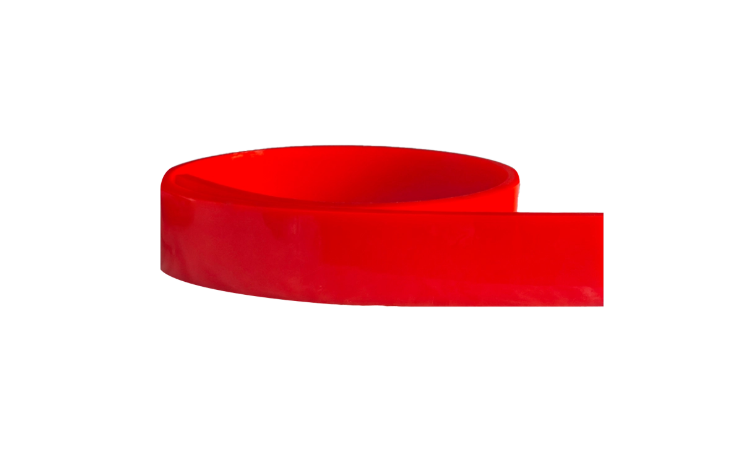
What Is Conveyor Belt Skirting
Conveyor belt skirting helps keep your workspace safe and clean. It sits along the sides where the conveyor belt meets the chute wall. The skirting makes a tight seal so dust and material cannot escape. When you install skirting, you create a barrier that keeps everything on the belt. This stops messy spills and dangerous dust clouds.
The skirting uses soft materials that press gently on the moving belt. These materials do not harm the belt. They ride on top and move as the belt moves. The seal works best at transfer points where material drops onto the belt. Here, the skirting stops dust and debris from leaking out. Some systems, like AirScrape, make a vacuum seal for extra dust control and need very little maintenance.
“Every transfer point needs good skirting and wear liner sealing to stop spills and work well.”
You can pick from different skirting materials:
Natural rubber skirting is flexible and works in moderate temperatures.
SBR rubber skirting is strong and handles heavy loads.
Polyurethane skirting resists wear and chemicals, so it is good for tough jobs.
EPDM rubber skirting works well outside and in harsh weather.
Main Functions
Conveyor belt skirting does more than keep things neat. It is important for your operation because it:
Seals the space between the belt and the structure to stop material loss.
Keeps dust and debris in, so your workplace stays cleaner and safer.
Lowers the risk of slips and fires by stopping spills.
Protects your conveyor system from damage and helps your equipment last longer.
Here is a table showing the main functions and their benefits:
Function | Description |
Reduce harmful dust emissions | Controls dust at transfer points to make the workplace safer and easier to see. |
Keep material on the conveyor | Stops spills, so you work faster and lose less material. |
Protect against explosive dust particles | Lowers the chance of dust explosions by controlling dust in the air. |
Mitigate equipment and operating downtime | Limits mess and maintenance, so you spend less time fixing things and more time working. |
Using conveyor belt skirting makes your operation safer, cleaner, and more efficient. You also save time and money on cleaning and repairs. This simple system gives you big results.
How Skirting Works
Sealing Mechanism
A strong seal keeps dust and material on the conveyor belt. Conveyor Belt Skirting makes this seal by pressing softly on the belt’s edge. The skirting acts like a wall that blocks dust and material from getting out. This helps keep your work area safe and clean.
The sealing system has different parts that work together. Here is a table that shows what each part does:
Component | Role in Sealing Mechanism |
Skirting Rubber | Makes a tight seal along the conveyor’s edge, stopping dust and material from leaking out. |
Skirt Board Design | Keeps the seal steady against the belt, made to fit your needs for best results. |
Impact Bed | Holds up the conveyor belt where material drops, making the belt steady and helping the skirting work better. |
Some systems, like AirScrape, use special blades that float above the belt. These blades pull dust and small bits back onto the belt. Other systems, like TailScrape, do not touch the belt at all. This helps the belt last longer and controls dust even better.
Tip: If you do not control dust, you might pay more for repairs and could have sudden stops.
Materials Used
You can pick from many materials for Conveyor Belt Skirting. Each one has its own good points. The best choice depends on what you need and what you move.
Material Type | Advantages |
Natural Rubber | Very stretchy and tough, good for most jobs. |
Neoprene Rubber | Handles oil and chemicals well, great for moving oily or chemical stuff. |
Polyurethane (PU) | Very tough and lasts long, good for hard jobs. |
EPDM Rubber | Stands up to weather, sun, and rough places, good for outdoors. |
These materials do more than just seal. They last a long time, even when things get rough. You can cut and shape them to fit your conveyor. They help stop leaks and make your belt work better. Some, like polyurethane, mean less cleaning and fewer new parts. Food-grade skirting keeps things clean for food jobs. Tear-resistant coatings help your belt last longer and save money on repairs.
Installation Basics
You can put in Conveyor Belt Skirting by following a few easy steps. First, measure where you want to put the skirting. Cut the skirting to the right size. Attach it to the skirt board and line it up with the belt’s edge. Make sure the skirting touches the belt gently. Do not push too hard or the belt may wear out faster.
Check that the skirting seals well but lets the belt move easily. Use clamps or bolts to keep the skirting in place. Some systems use special brackets to make changes easy. After you install it, watch the skirting while the belt runs. Make small fixes if you see leaks or dust coming out.
Note: Good installation helps your skirting last longer and keeps your conveyor working well.
Benefits
Dust Suppression
You can control dust at the source with skirting. When you install skirting, it captures material right after it leaves the chute. This keeps the material stream tight and reduces dust in the air. Using dual skirting seals the enclosure and stops dust from escaping. Dust curtains help slow down airflow, so dust settles back onto the belt.
Capturing material early keeps dust from spreading.
Dual skirting creates a strong seal.
Dust curtains let dust settle instead of escaping.
You also meet safety rules. MSHA says dust control is your responsibility. Sealing open areas with skirting helps you follow these rules and keeps your team safe.
Material Containment
Skirting keeps material on the belt and off the floor. You stop spills at the load point, so you lose less product. Single skirting works best when you cut it to match the belt’s shape. Mounting skirting on the outside makes it easy to adjust. Self-adjusting skirting uses springs to keep pressure on the belt, so you do not need to fix it as often.
When a belt sags, you lose the seal. This lets dust and material spill out, which means more cleanup and more work for your team.
Equipment Protection
You protect your conveyor system when you use skirting. A tight seal at loading zones stops spillage and dust. Proper installation keeps the belt safe from wear. You spend less time on repairs and your equipment lasts longer.
Feature | Benefit |
Dynamic sealing unit | Full sealing at loading zones prevents spillage. |
No belt damage | Good installation avoids early wear or marks on the belt. |
Maintenance efficiency | Less maintenance and longer conveyor life. |
Cost Savings
You save money with less waste and fewer repairs. Skirting cuts down on cleanup time and keeps more material on the belt. Your conveyor parts last longer, so you replace them less often.
Benefit | Description | Cost Impact |
Reduced Material Loss | Less spillage means less wasted product. | Decreases material costs |
Lower Cleanup Costs | Less mess to clean saves time and resources. | Reduces operational costs |
Extended Component Life | Conveyor parts last longer with less wear. | Lowers maintenance costs |
You also avoid costly shutdowns and keep your operation running smoothly.
Conveyor Belt Skirting Maintenance
Inspection Tips
You should inspect your conveyor belt skirting often to keep your system running well. Start by looking at the skirting for any signs of wear or damage. Check if the skirting still seals tightly against the belt. If you see gaps or loose spots, you may need to adjust or replace the skirting. Look at the belt’s surface for peeling or cracks. Make sure the rollers and pulleys do not have any debris or damage. Always check that the machine guards cover all moving parts and that emergency stops work as they should.
Tip: Regular inspections help you catch small problems before they turn into big repairs.
Cleaning Practices
Keeping your conveyor belt skirting clean helps it last longer and work better. Here are some best practices you can follow:
Clean the conveyor belt at the start and end of each day.
Remove any debris from the drive components.
Wipe down the skirting and check for buildup.
Use belt scrapers that fit your system and check their tension daily.
Upgrade to automatic tension scrapers if you want to save time.
Make sure the load zone skirting stays in place and works as designed.
Check the belt for proper alignment and look for any unusual wear.
A clean system reduces the risk of spillage and keeps your workplace safer.
Troubleshooting
Sometimes, problems can still happen even with good care. If you notice more dust or material spilling, check if the skirting has worn down or shifted out of place. Spillage can also mean the skirting is not sealing well or the belt is misaligned. If you see early wear on idlers or pulleys, look for loose or damaged skirting. Fix any broken parts right away. If you hear strange noises or see the belt slipping, stop the system and inspect all moving parts. Quick action keeps your conveyor running smoothly and prevents bigger issues.
Note: Timely repairs and regular checks help you avoid costly downtime and keep your operation efficient.
You need conveyor belt skirting to keep things safe and clean. Skirting helps stop spills and keeps workers safe. It also makes your equipment last longer. Polyurethane skirting gives a strong seal and wears out less. New rules mean you must control dust and spills.
“The system paid for itself fast. We spent lots of time fixing things before. Now, after installing it, we almost never need repairs.”
Look at your conveyor system. Find spots where skirting can make things safer, save money, and help you follow the rules.
FAQ
How often should you replace conveyor belt skirting?
You should check your skirting every month. Replace it when you see cracks, tears, or if it no longer seals well. Regular checks help you avoid big problems.
What is the best material for conveyor belt skirting?
You can choose from several materials. Here is a quick guide:
Material | Best Use |
Rubber | General jobs |
Polyurethane | Heavy-duty, long life |
EPDM | Outdoor, harsh weather |
Can you install skirting on an old conveyor system?
Yes, you can add skirting to most older systems. Measure your belt and choose the right skirting type. You may need to adjust the mounting hardware.
Does conveyor belt skirting reduce maintenance costs?
Skirting keeps dust and material off the floor. You spend less time cleaning and fixing equipment. This means lower maintenance costs for your operation.


