You use a Conveyor Belt Scraper to keep belts clean and safe. Picking the right type helps stop material from spilling. It also helps the belt last longer. This means you spend less time and money fixing things. A good scraper can take away up to 95% of leftover material. This leads to less dust and more money made. There are main types like primary, secondary, return, brush, and specialty scrapers. Each type gives your conveyor system different good things.
Key Takeaways
Conveyor belt scrapers help keep belts clean and safe. They stop material from spilling and make the belt last longer.
You need to pick the right scraper type for your system. The choice depends on what materials you use and the system’s conditions.
Check and take care of scrapers often so they work well. This helps you save time and money on fixing things.
Using both primary and secondary scrapers together cleans over 90% of leftover material. This makes the system work better.
Pick scrapers that match your material, can be adjusted, and fit your environment. This helps them work their best.
Conveyor Belt Scraper Overview
Definition and Purpose
A Conveyor Belt Scraper helps keep the conveyor system clean. It takes off leftover material from the belt after each use. Many industries use scrapers because they fix common problems.
In mining and quarrying, scrapers clear away debris and help protect the belt.
In agriculture, they keep grain systems clean and stop things from getting mixed in.
Food processing plants use scrapers to get rid of food left on the belt and keep things clean.
Recycling plants use scrapers to remove leftover materials, which helps the system work better.
Cement and construction sites use scrapers to stop material from building up.
Chemical industries use scrapers to take off harmful materials and keep workers safe.
The main job of a Conveyor Belt Scraper is to keep things clean and working well. This tool helps you avoid spending money on repairs and stops the system from breaking down. Picking the right scraper protects your equipment and makes your work better.
Role in Conveyor Systems
A Conveyor Belt Scraper is important for making sure the conveyor works well. Scrapers take off materials that stick to the belt. If you let stuff build up, the system does not work as well and needs more fixing. Scrapers stop these problems by cleaning the belt after every load.
Scrapers also make things safer. If material builds up, it can cause accidents or slow down work. Scrapers help stop these problems and keep things running smoothly. If you pick and take care of scrapers, your system works better and breaks down less.
Tip: Check your scrapers often to make sure they are working right. Doing this can save you time and money.
Scrapers do more than just clean. They are needed to keep your conveyor system safe, working well, and reliable.
Primary Conveyor Belt Scraper Types
Function and Placement
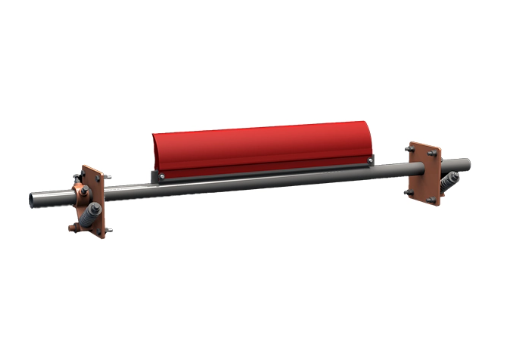
Primary scrapers sit at the head pulley of the conveyor. This is where the belt drops off its main load. The scraper’s job is to take off leftover material called carryback. Carryback sticks to the belt after unloading. If you let this material pile up, it can cause jams and spills. It also makes the belt wear out faster. Primary scrapers work hard at this first spot. They handle tough jobs and last a long time. You can trust them to keep your system safe and running well.
Common Subtypes (Blade, Rubber, Polyurethane, T2 Blades)
There are different types of primary scrapers. Each type works best for certain materials and belts:
Blade Scrapers have a sharp edge made of metal. They scrape off tough or sticky materials.
Rubber Scrapers are softer and clean gently. They are good for belts with fine particles.
Polyurethane Scrapers are strong and flexible. They last longer than rubber and work with many materials.
T2 Blades have a special shape for extra cleaning. You use them for very stubborn material.
Tip: Choose the scraper that fits your material and belt speed. This helps you get the best results.
Benefits and Applications
Primary scrapers help in many ways:
They cut down on carryback and keep the belt clean.
They stop spills, so you clean less and save time.
They make the belt last longer by stopping rough wear.
They help the belt move without jams.
They make things safer by stopping accidents from falling material.
You see these scrapers in lots of places:
Mining sites use them for coal, ore, and rocks.
Cement plants use them to clear cement dust.
Food processing lines use them to follow hygiene rules.
Recycling centers use them to stop waste from piling up.
A Conveyor Belt Scraper saves money on repairs. It also keeps your work safe and running well.
Secondary Conveyor Belt Scraper Types
Function and Placement
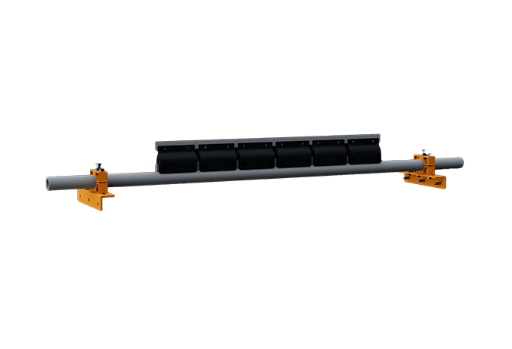
Secondary scrapers sit right after the head pulley. Sometimes, they are placed just behind it. These scrapers use a hold-down roll to press against the belt. Their main job is to clean off leftover material missed by the primary scraper. This makes the belt much cleaner. Secondary scrapers touch the belt at a negative rake angle. This angle helps them clean better. Most secondary scrapers are made from strong materials like tungsten carbide. This makes them good for tough jobs and helps them last longer.
Note: Secondary scrapers do not take the place of the primary scraper. Both work together to make the belt as clean as possible.
Subtypes (Polyurethane, Carbide, Tensioned, Rotary)
There are different kinds of secondary scrapers. Each kind works best for certain jobs:
Polyurethane Scrapers are flexible and resist wear. They are used for lighter materials or when you want less belt damage.
Carbide Scrapers have hard tungsten carbide blades. They are good for tough jobs and last a long time.
Tensioned Scrapers keep steady pressure on the belt. This gives you a consistent clean, even if the belt moves or changes shape.
Rotary Scrapers use spinning brushes or blades. They help remove sticky or stubborn materials.
Benefits and Use Cases
Secondary scrapers have many good points:
They clean off leftover material and stop buildup.
They fit many conveyor systems and work with different materials.
They last a long time, even in hard jobs.
You can install and take care of them easily, which saves time.
You see these scrapers in lots of places:
A secondary Conveyor Belt Scraper helps your primary cleaner. It removes extra material and puts it back in the material stream. This keeps your system clean and working well.
Return Belt Scrapers
Underside Cleaning Function
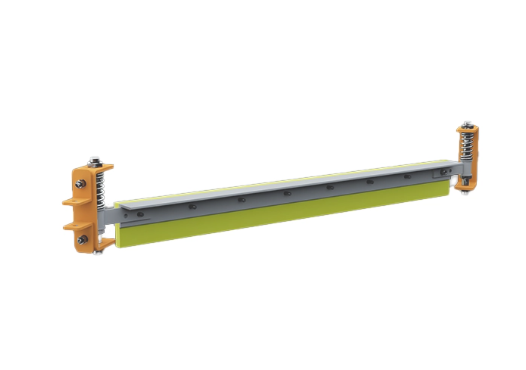
Return belt scrapers clean the bottom of the conveyor belt. They sit at a right angle to the belt. This helps them take off material stuck underneath. You must leave enough room for the scraper to work. The scraper should be easy to reach for cleaning. If the belt is smooth, the scraper works better. Sometimes, you need to turn the scraper off or on if the belt changes direction.
Return belt scrapers:
Clean the underside of the belt
Need space for setup
Should be easy to reach for care
Work best with smooth belts
Tip: Look at your return belt scraper often to keep it working well.
Prevention of Carryback
Carryback is when stuff sticks to the belt and comes back with it. This can make a mess and hurt your system. You can use different tools to stop carryback. Primary cleaners take off most material at the head pulley. Secondary cleaners get what is left, like small bits. Using both can clean over 90% of carryback. Spray bars use water to wash away tough material. Wash boxes mix scrapers and spray bars in one unit. This setup cleans the belt and handles dirty water.
Primary cleaners use tensioners to keep the blade tight.
Secondary cleaners have strong tips to scrape off stuck stuff.
Some cleaners can bend to fit bumpy belts.
Typical Applications
Return belt scrapers help many jobs keep belts clean and safe. You find them where leftover stuff can cause trouble.
Industry/Application | Why Use Return Belt Scrapers? |
Mining | Stop losing material and keep belts working |
Food Processing | Keep belts clean and stop contamination |
Wood Products Manufacturing | Take debris off belts in wood work |
You also see these scrapers in grain places and other spots that move lots of stuff. Using a Conveyor Belt Scraper here helps you avoid big cleanups and keeps things running well.
Brush Scrapers
Bristle Design and Function
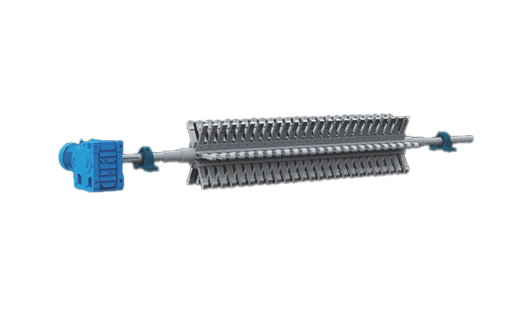
Brush scrapers have special bristles that clean the conveyor belt. The bristles can get into small spaces and take away dust and sticky stuff. Many industries use brush scrapers because they are good for hard jobs. Some brush scrapers have motors that spin the brush the other way from the belt. This helps the brush clean even better.
Here is a table that shows how each design feature helps:
Design Feature | Functionality |
Rubber bristles | Take off small bits and dust from hard-to-reach spots while the belt moves. |
Motorized operation | The motor spins the cleaner against the belt for better cleaning. |
Easy installation | You can put it on flat or upright surfaces without tricky parts. |
Self-cleaning assembly | The bar design makes it easy to clean and change brushes. |
Space-efficient design | It fits in small spaces where other cleaners cannot go. |
Brush scrapers are good for tough jobs like cleaning wood dust or cement dust. The rubber fingers do not wear out fast and last a long time. You will not need to fix your system as much because brush scrapers stop carryback and surprise stops. Their design works with many belt types and fits in small places.
Tip: Brush scrapers help your conveyor stay straight by taking away things that can make it move off track.
Applications for Delicate or Sticky Materials
Brush scrapers are best when you need soft cleaning. You can use them for sticky or gentle materials. The bristles do not hurt the belt or what you are moving. Here is a table that shows what different bristle materials do:
Material | Properties |
Nylon | Strong, does not wear out fast, bends easily, and can handle chemicals. |
Polypropylene | Stiff, lets go of dirt, does not soak up water, fights chemicals, and costs less. |
Silicone | Soft, cleans gently, takes off biofilm, and does not hurt soft surfaces. |
You can use brush scrapers for these jobs:
Cleaning belts in food plants when you need gentle cleaning.
Taking off sticky things like syrup, dough, or wet clay.
Handling fine dust or powder that other scrapers miss.
Cleaning barnacles early in marine places.
Soft brushes made from nylon or polypropylene keep your belt clean without scratching it. If you clean with these brushes often, you stop buildup before it gets bad.
Specialty Conveyor Belt Scrapers
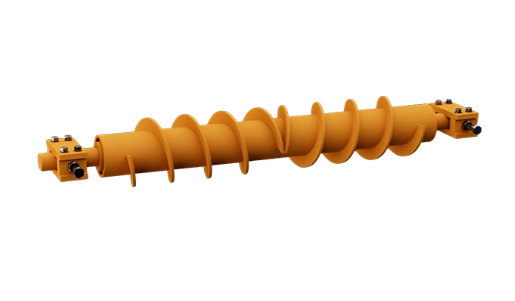
Food-Grade Scrapers
You need food-grade scrapers when you work with food or products that must stay clean. These scrapers use materials that do not rust or hold germs. You often see stainless steel or special plastics. Food-grade scrapers help you meet health rules. They remove food bits and stop bacteria from growing. You can clean these scrapers easily. This keeps your conveyor safe for food and other sensitive products.
Water and High-Temperature Cleaners
Some jobs need scrapers that handle water or high heat. Water cleaning systems wash the belt with strong sprays. This keeps the belt free from sticky or wet materials. You use these systems in food plants to keep things clean and safe. High-temperature cleaners work well in places with hot materials. They do not melt or break down. You can use them with many belt types. These cleaners often work with primary scrapers to give you the best results. You get less downtime and longer belt life when you use the right cleaner for tough jobs.
Modern Solutions (Infinity Belt Scraper)
Modern scrapers, like the Infinity Belt Scraper, use smart designs to solve new problems. You get magnets that pull metal chips away from the belt. This keeps your system safe from metal jams. The scraper cleans itself, so you do not need to stop the machine often. You can set the speed to match your work. This helps you remove chips fast and keeps your tools in good shape. Here is a table that shows the main features:
Feature/Benefit | Description |
Magnetic Design | Pulls metal chips off the belt |
Self-Cleaning | Needs less care and keeps workers safe |
Automatic Chip Disposal | Removes chips without stopping the machine |
Variable Speed Control | Lets you change speed for different jobs |
More Machine Uptime | Stops jams and keeps work moving |
Longer Tool Life | Stops chips from hurting tools |
Other Specialized Types (Flat, Half Round, Three Square, Bullnose, Two Handle, Hook Scrapers)
You can pick from many other scraper shapes for special jobs. Flat scrapers work well on smooth belts. Half round and three square scrapers fit belts with grooves or odd shapes. Bullnose scrapers clean wide areas fast. Two handle and hook scrapers help you reach tight spots. These types work in places like power plants, mining, steel mills, and shipping terminals. You can match the scraper to your belt speed and pulley size for the best results.
Tip: Always choose the right specialty scraper for your job. This keeps your conveyor clean and safe.
Scraper Selection Guide
Key Factors to Consider
When you choose a scraper, you need to look at several important factors. These will help you get the best performance and keep your conveyor system running smoothly.
Material Compatibility: Check if the scraper works well with the material you move. Sticky, abrasive, or wet materials need different scraper types.
Adjustability: Make sure you can adjust the scraper for the right pressure. This helps you clean the belt without causing damage.
Ease of Maintenance: Pick a scraper that you can clean and replace easily. This saves you time and keeps your system working.
Material Type: Think about what you move on the belt. Fine powders, large rocks, or sticky food all need different scrapers.
Belt Speed: Fast belts need strong scrapers that can keep up. Slow belts may work with softer or simpler scrapers.
Environmental Conditions: Look at where your conveyor runs. Water, chemicals, heat, sunlight, cold, and oil can affect how well a scraper works.
Tip: Always match the scraper to your material, belt speed, and environment for the best results.
Pros and Cons of Scraper Types
You can compare different scraper types by looking at their strengths and weaknesses. This table shows what you gain and what you give up with each type:
Scraper Type | Pros | Cons |
Mechanical Fasteners | Quick to install, easy to inspect, low cost | Shorter life, possible leaks, may need more checks |
Thermoplastic Fusion Finger | Works with small pulleys, smooth joint, hygienic | Not for heavy-duty jobs, needs special tools |
Hot Vulcanized Step Splice | Strong, works with heavy-duty cleaners | Hard to bend, tricky with small drums, needs careful prep |
Hot Vulcanized Bias Splice | Keeps strength, seamless, resists sifting | Takes longer to set up, needs clean space |
Cold-Bonded Splice | Good for tight spaces, quick to set up | Wears out faster, sensitive to moisture and temperature |
You also need to think about how long each scraper lasts and how much care it needs:
Scraper Type | Lifespan | Maintenance Needs |
Tungsten Carbide | Lasts longest | Quick blade changes, less upkeep |
Polyurethane | Wears out faster than carbide | Needs more frequent replacement |
Steel | Shortest life | Needs the most maintenance |
Note: Scrapers need regular checks and adjustments. If you set them up wrong, you may see more wear or leftover material.
How to Choose the Right Scraper
You can follow these steps to pick the best scraper for your conveyor:
Check the Material Type: Look at what you move on the belt. Soft, sticky, or sharp materials need different scrapers.
Set the Scraper Load: Adjust the scraper so it presses just enough to clean, but not too much to cause damage.
Install and Inspect: Put the scraper in the right place. Check it every day to make sure it works well.
You should also avoid common mistakes:
Choose the right cleaner type for your system. Do not guess—look at your needs.
Install the scraper the way the maker says. This helps you get the best clean.
Keep a maintenance schedule. Clean and check the scraper often.
Train your team. Make sure everyone knows how to use and care for the scraper.
Watch the belt tracking. Adjust it if the belt moves off-center.
Think about the environment. Pick a scraper that can handle water, heat, or chemicals if needed.
Follow safety rules when you work on the scraper.
Replace old scrapers before they wear out.
Track how well the scraper works. Change it if you see problems.
Tip: The right Conveyor Belt Scraper will help you keep your system clean, safe, and efficient. Take time to match the scraper to your needs and check it often.
Picking the right scraper makes your conveyor system better. You save money, keep workers safe, and your work does not stop as much. Before you choose a scraper, do these things:
Look at your conveyor to find any problems.
Figure out what causes cleaning trouble.
Ask a manufacturer for help picking the best scraper.
Benefit | Description |
Cost Savings | You spend less fixing or replacing parts |
Improved Safety | The belt is safer and accidents happen less |
Consistent Production | The conveyor stops less and work goes smoothly |
Long-Term ROI | Your system lasts longer and gives you more value |
Always think about what you need and talk to experts for good advice.
FAQ
What is a conveyor belt scraper?
A conveyor belt scraper is a tool that cleans leftover material from the belt. You use it to keep your conveyor system safe and working well.
How often should you check your scraper?
You should check your scraper every day. Regular checks help you spot problems early and keep your conveyor running smoothly.
Which scraper works best for sticky materials?
Brush scrapers work best for sticky materials. Their bristles remove sticky bits without hurting the belt.
Can you use more than one scraper on a conveyor?
Yes, you can use both primary and secondary scrapers. This setup cleans the belt better and reduces carryback.
How do you know when to replace a scraper?
Replace your scraper when you see wear, less cleaning, or damage. Keeping scrapers fresh helps your conveyor stay efficient.


