Conveyor systems are crucial in industries like mining and manufacturing. A key component of these systems is the conveyor pulley, which ensures smooth belt movement. To maintain efficiency and prevent excessive wear, Conveyor Pulley Lagging is applied.
In this article, we will explore the different types of conveyor pulley lagging. You’ll learn about their benefits and how to choose the right one for your system.
What is Conveyor Pulley Lagging?
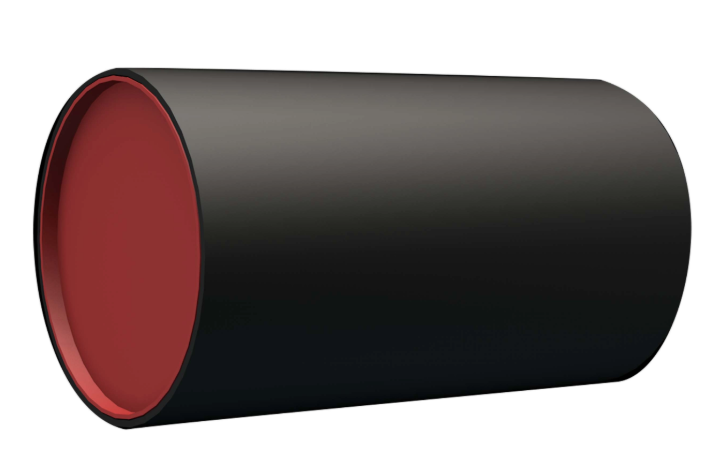
Conveyor pulley lagging is the material placed on the outer surface of pulleys to increase friction between the pulley and the conveyor belt. By providing this extra grip, it prevents slippage, which could otherwise cause belt damage or inefficiencies in movement. Lagging comes in various forms, such as rubber or ceramic, each offering distinct advantages depending on the environment and system requirements.
Why is Pulley Lagging Important?
Pulley lagging significantly affects the performance of a conveyor system. A lack of proper lagging can lead to issues such as:
● Slippage: If the pulley surface is too smooth, the belt may slide over it, leading to poor performance and premature wear.
● Reduced Pulley and Belt Life: Without lagging, pulleys can suffer from abrasion and corrosion, shortening their lifespan. Similarly, the conveyor belt may wear faster due to slippage.
● Increased Maintenance Costs: Frequent slippage and wear increase the need for repairs, replacements, and downtime.
Properly selected lagging provides more friction, ensuring the belt remains securely in place and improves the efficiency of the system.
Common Applications of Conveyor Pulley Lagging
● Mining: High-dust, high-wear environments demand durable lagging, like ceramic or rubber grooved options.
● Cement Factories: Lagging prevents slippage and reduces wear caused by the abrasive nature of materials handled.
● Food Processing: Stainless steel lagging ensures hygiene and resistance to contamination in sensitive areas.
Types of Conveyor Pulley Lagging
Common Conveyor Pulley Lagging Types
Conveyor pulley lagging comes in several types, each suitable for different operating conditions. The most common types include rubber and ceramic lagging, each offering unique benefits depending on the system's needs. Let’s dive into these types and explore their characteristics.
Rubber Lagging
Rubber lagging is one of the most commonly used types due to its balance of cost-effectiveness, durability, and versatility. It provides increased friction between the pulley and the conveyor belt, which helps prevent slippage and improves the overall efficiency of the conveyor system.
There are several variations of rubber lagging, each designed for specific operating conditions:
1. Plain Rubber Lagging:
This type involves covering the pulley surface with a smooth rubber layer. It is ideal for light to medium-duty conveyor systems that don’t require heavy friction or complex designs. It's commonly used in warehouses, packaging lines, and environments where minimal friction is enough to prevent slippage.
2. Diamond-Grooved Rubber Lagging:
Diamond grooves are cut into the rubber to increase friction and facilitate water and dust drainage. This makes it perfect for environments that are wet or dusty, such as mining and cement industries. The grooves help maintain belt grip under challenging conditions.
3. Herringbone Grooved Rubber Lagging:
The V-shaped grooves in herringbone rubber lagging push water, mud, and debris away from the pulley’s surface, ensuring the belt maintains better contact and reduces the chance of slippage. This type is highly effective in wet, muddy, or abrasive environments, making it ideal for industries dealing with such conditions.
Here's a summary of these rubber lagging types and their advantages:
Lagging Type | Key Features | Ideal Use | Advantages |
Plain Rubber Lagging | Smooth, simple rubber layer without grooves | Light to medium-duty systems | Simple, cost-effective, easy to install, low-load use |
Diamond-Grooved Rubber Lagging | Criss-cross grooves for increased friction and water drainage | Wet or dusty environments (mining, cement) | Excellent friction in wet/dusty environments, self-cleaning |
Herringbone Grooved Rubber Lagging | V-shaped grooves for self-cleaning and debris removal | Wet, muddy, or abrasive environments | Self-cleaning, enhanced grip, ideal for harsh conditions |
These rubber lagging types are ideal for different environments based on factors like moisture, debris, and load intensity. Choosing the right type ensures better performance and longevity of the conveyor system.
Ceramic Lagging
Ceramic lagging is designed for high-performance applications, especially in environments with heavy loads or abrasive materials. It provides exceptional durability and resistance to wear, making it ideal for harsh conditions. Ceramic tiles are bonded to the pulley surface to enhance its grip on the conveyor belt and minimize slippage.
There are several types of ceramic lagging, each suited for specific operational needs:
1. Ceramic Tile Lagging:
Ceramic tiles are embedded in a rubber base, offering high abrasion resistance and a long lifespan. This type is perfect for heavy-duty conveyor systems that handle abrasive materials such as rocks, cement, or coal. The ceramic tiles resist wear and tear, ensuring longer system life.
2. Dimple Ceramic Lagging:
Dimple ceramic lagging features a unique dimpled pattern that increases friction and improves the grip between the pulley and the conveyor belt. It is highly effective in applications with steep inclines or where abrasion is common, helping to minimize slippage and maintain efficient system performance.
3. Smooth Ceramic Lagging:
Smooth ceramic lagging combines the durability of ceramic with moderate friction, making it ideal for non-drive pulleys in moderate-duty systems. This type provides the wear resistance of ceramic without excessive grip, making it perfect for less aggressive environments.
Here's a summary of these ceramic lagging types and their advantages:
Lagging Type | Key Features | Ideal Use | Advantages |
Ceramic Tile Lagging | Ceramic tiles bonded to a rubber base for high abrasion resistance | Heavy-duty systems with abrasive materials (rock, coal, cement) | High wear resistance, long service life, suitable for high-load operations |
Dimple Ceramic Lagging | Dimpled surface for increased friction and grip | Steep inclines or abrasive environments | Increased friction, reduces slippage, improves efficiency |
Smooth Ceramic Lagging | Smooth surface with ceramic durability | Non-drive pulleys in moderate-duty systems | Combines durability with moderate grip, ideal for less aggressive environments |
Ceramic lagging is the go-to solution for high-load, high-abrasion environments. By choosing the right type, you can significantly extend the life of your conveyor system and reduce maintenance costs.
Special Purpose Lagging Types
Some conveyor systems require specialized lagging to meet unique operational demands. These types of lagging are designed to handle extreme conditions, such as high temperatures, heavy usage, or the need for quick maintenance. Here are two common types of special-purpose lagging:
1. Vulcanized Lagging:
Vulcanized lagging is a type of rubber that has been chemically bonded to the pulley surface using heat and pressure. This creates a permanent bond that resists peeling or bubbling, making it ideal for environments with high temperatures or heavy-duty usage. It is especially suited for drive pulleys in mining or aggregate systems, where durability is crucial.
2. Slide Lagging:
Slide lagging utilizes metal holders with easily replaceable rubber or ceramic pads. This design makes maintenance quick and easy, as damaged pads can be replaced without the need to remove the entire lagging surface. This feature is highly beneficial for systems with high wear and tear, as it reduces downtime and maintenance costs.
Here's a summary of these special-purpose lagging types and their advantages:
Lagging Type | Key Features | Ideal Use | Advantages |
Vulcanized Lagging | Rubber chemically bonded to the pulley surface using heat and pressure | High-temperature environments or heavy-duty systems | Durable, heat-resistant, provides long-lasting bond |
Slide Lagging | Metal holders with replaceable rubber or ceramic pads | High-wear systems requiring quick maintenance | Quick maintenance, reduces downtime, ideal for wear-prone systems |
Special-purpose lagging types like vulcanized and slide lagging ensure reliability in challenging environments, extending the life of your system and minimizing operational disruptions.
How to Choose the Right Conveyor Pulley Lagging?
Selecting the right pulley lagging depends on several factors, including the operating environment, pulley type, and belt type. Here are key considerations when making your choice:
Operating Environment
Consider whether your system operates in wet, dry, abrasive, or high-temperature conditions. For example, ceramic lagging works well in high-abrasion environments, while rubber lagging is ideal for less aggressive conditions.
Type of Pulley
Drive pulleys require high-friction lagging, like diamond-grooved rubber, while non-drive pulleys may only need basic rubber or ceramic lagging.
Belt Type
Match the lagging material to the belt type. Rubber lagging works best with fabric belts, while ceramic lagging is suitable for steel cord belts.
Maintenance and Replacement Needs
If quick maintenance is essential, consider slide lagging or strip lagging, which allow easy replacement of damaged sections.
Cost-Effectiveness
Balance your budget with the long-term needs of the system. While vulcanized lagging is more expensive upfront, it offers longer-lasting performance in demanding conditions.
Conclusion
Choosing the right Conveyor Pulley Lagging is essential for maintaining optimal conveyor system performance. By selecting the appropriate type, you can prevent slippage, reduce wear, and extend the lifespan of both the pulley and conveyor belt. It’s crucial to consider factors such as the operating environment, pulley type, and maintenance needs when making an informed decision. Hanpeng Material Rubber Industry (Liaoning) Co., Ltd. offers high-quality lagging products that provide exceptional durability and efficiency, ensuring reliable performance in various industries.
FAQ
Q: What is Conveyor Pulley Lagging?
A: Conveyor Pulley Lagging refers to the material applied to the surface of a pulley to increase friction and prevent slippage between the pulley and conveyor belt.
Q: Why is Conveyor Pulley Lagging important?
A: Conveyor Pulley Lagging is important because it helps prevent slippage, reduces wear, and extends the lifespan of both the pulley and the conveyor belt.
Q: How do I choose the right Conveyor Pulley Lagging?
A: Consider factors like the operating environment, pulley type, belt type, and maintenance needs when selecting the appropriate Conveyor Pulley Lagging.
Q: What are the different types of Conveyor Pulley Lagging?
A: Common types of Conveyor Pulley Lagging include plain rubber, diamond-grooved rubber, ceramic, and vulcanized lagging, each suited for specific environments.
Q: What are the advantages of Ceramic Pulley Lagging?
A: Ceramic Pulley Lagging provides high abrasion resistance, making it ideal for heavy-duty systems in environments with abrasive materials, such as mining.
Q: How often should Conveyor Pulley Lagging be replaced?
A: The replacement frequency of Conveyor Pulley Lagging depends on wear conditions and the type of lagging used. Regular maintenance and inspection are key to determining when replacement is necessary.


