


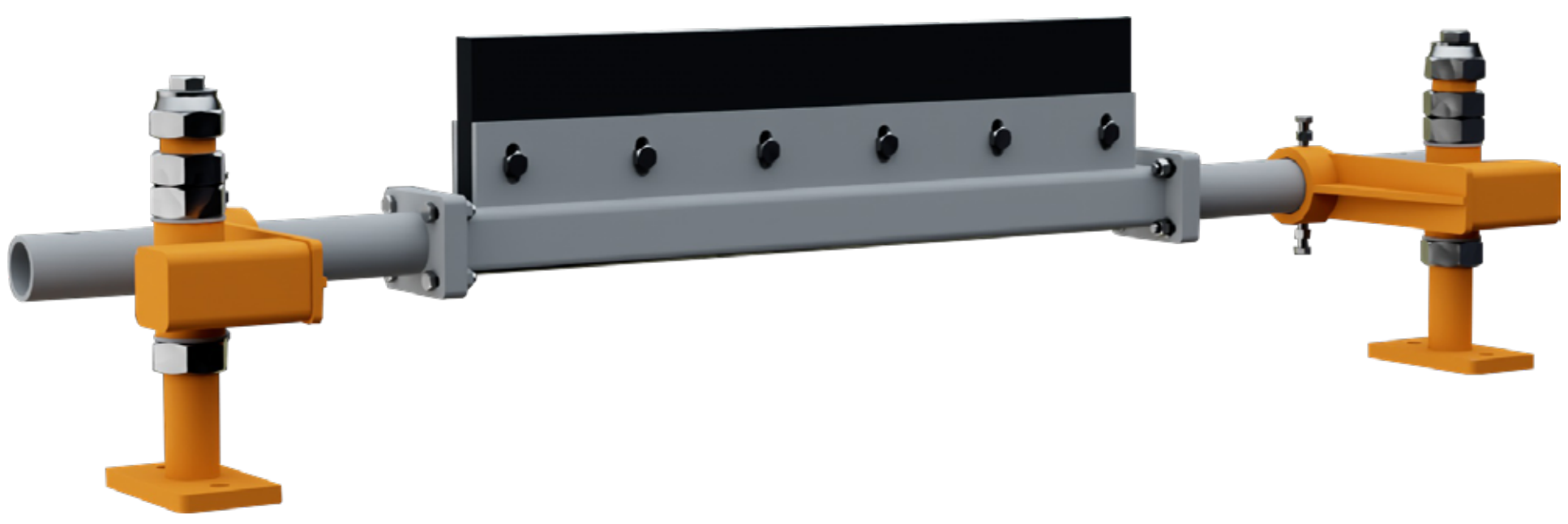
What is an Integral Secondary Scraper?
An integral secondary scraper is a device used to clean the surface of conveyor belts by scraping off unwanted materials that can accumulate during operations. These scrapers are typically mounted on conveyor systems and are used after the primary cleaning step to ensure a cleaner, more efficient belt. Unlike traditional cleaning methods, integral secondary scrapers are designed to maintain constant contact with the conveyor belt, ensuring thorough cleaning without damaging the belt.
The HANPENG integral secondary scraper, with its high elastic rubber blade, offers a unique combination of durability, flexibility, and performance. The scraper’s simple design, combined with its adjustable features, makes it ideal for various industrial applications, particularly where sticky, abrasive, or challenging materials are handled.
Key Features of Integral Secondary Scrapers
Efficient Cleaning Mechanism
The integral secondary scraper features a high elastic rubber blade that maintains continuous contact with the conveyor belt. This ensures efficient cleaning by effectively removing debris, sticky substances, and other residues that could affect system performance. The scraper’s design allows for consistent, thorough cleaning, contributing to optimal belt performance over time.
Durability and Long Lifespan
The rubber blade is made from a special composite material with a low wear coefficient. This means the scraper can withstand extended use without significant wear, ensuring long-term reliability. The low wear also translates to reduced maintenance needs and fewer replacements, making it a cost-effective solution for industries that rely on conveyor systems.
Low Maintenance Design
One of the key advantages of the HANPENG integral secondary scraper is its simple structure, which allows for easy installation, maintenance, and replacement. The scraper does not require specialized tools, making maintenance straightforward and minimizing system downtime. This low-maintenance design is particularly beneficial for operations that require continuous, uninterrupted performance.
Adaptability
The scraper features an adjustable buffer seat that helps maintain continuous contact between the rubber blade and the belt. This adjustment ensures that the scraper performs optimally, even in the presence of varying material thicknesses or belt conditions. The adaptability of the HANPENG scraper makes it versatile for use in different industries and applications.
Superior Belt Contact Surface
The rubber blade has excellent flatness and ensures smooth and consistent contact with the conveyor belt surface. This quality is critical for achieving efficient cleaning, as it prevents any uneven pressure distribution and ensures a uniform cleaning action. The result is a cleaner conveyor belt with minimal wear and maximum operational efficiency.
Benefits of Integral Secondary Scrapers for Conveyor Belt Maintenance
Improved Operational Efficiency
The integral secondary scraper enhances operational efficiency by maintaining a clean conveyor belt. By removing material build-up, the scraper prevents clogging and ensures smooth belt operation. This reduces the likelihood of system failures, minimizes downtime, and helps maintain the belt’s optimal speed, ultimately boosting productivity.
Cost-Effectiveness
Due to its durable high elastic rubber construction and low wear rate, the integral secondary scraper offers significant cost savings over time. The scraper’s long lifespan means fewer replacements and less maintenance, allowing companies to reduce operational expenses related to conveyor belt cleaning. The scraper’s efficiency in keeping the belt clean also contributes to lower energy consumption, further saving on operational costs.
Protecting the Conveyor Belt
Integral secondary scrapers are designed to clean the belt effectively without causing damage. The flexible rubber material adapts to the belt’s surface, preventing unnecessary abrasion or wear. By maintaining constant, gentle contact with the belt, the HANPENG scraper ensures that the conveyor belt’s integrity is preserved, extending its lifespan and reducing the need for costly repairs or replacements.
Applications of HP-R1 Integral Secondary Scrapers
Integral secondary scrapers are ideal for various industries, especially those that handle sticky, abrasive, or heavy-duty materials. Some of the common applications include:
Sticky Materials: Industries that deal with sticky substances, such as adhesives, food residues, or wet materials, benefit from the high elastic rubber blade’s ability to clean effectively without damaging the belt.
Dual Direction Operations: The HANPENG integral secondary scraper is suitable for two-way conveyor systems, which are used in industries where materials need to be transported in both directions.
Different Belt Types: This scraper can handle various conveyor belts, including those with cold vulcanized, hot vulcanized, and mechanical joints. Its adaptability to different belt types makes it highly versatile across industries.
Range of Belt Widths: The scraper is effective on belts with widths ranging from 600 to 2400 mm, providing flexibility in handling different conveyor sizes.
How to Choose the Right Integral Secondary Scraper for Your Operation
Choosing the right integral secondary scraper for your conveyor system depends on several factors:
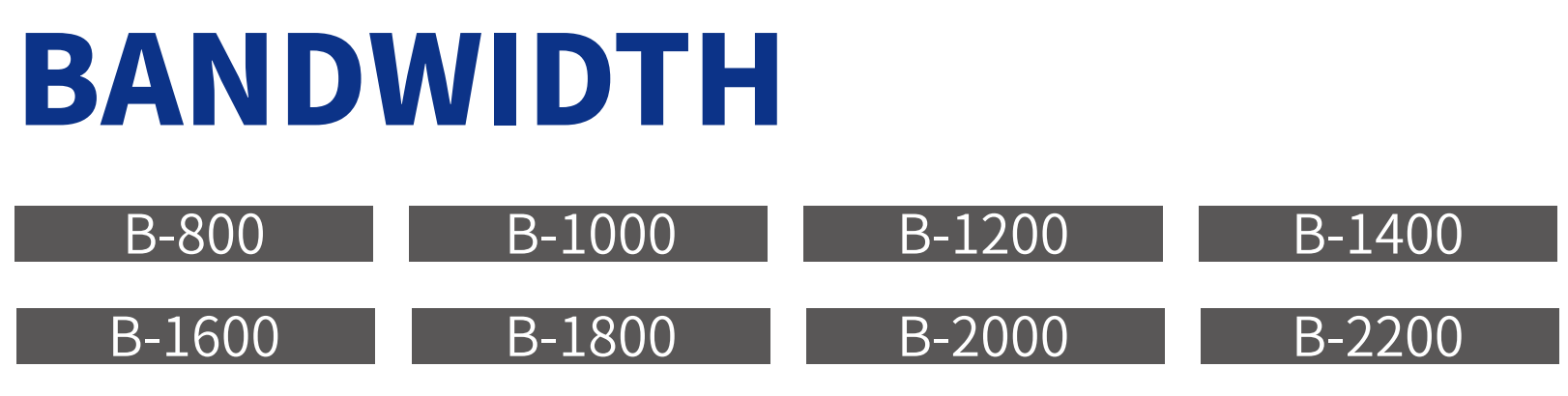
Conveyor Belt Type and Size: The scraper must be selected based on the type and width of the conveyor belt. The HANPENG scraper offers bandwidth options ranging from B-800 to B-2200 mm, making it suitable for a wide range of conveyor systems.
Material Compatibility: The scraper should be chosen based on the material being transported. For instance, sticky or abrasive materials require a scraper with a high elastic rubber blade for effective cleaning.
Customization Options: Depending on your operation's specific needs, some scrapers can be customized to fit particular operational requirements, such as adjusting the buffer seat for varying belt conditions or material types.
The Environmental Benefits of Integral Secondary Scrapers
Energy Efficiency
By improving conveyor belt performance and reducing friction, the HP-R1 integral secondary scraper contributes to energy savings. The scraper ensures that belts run smoothly, reducing the amount of energy needed for belt movement.
Reduced Waste
The scraper effectively removes debris, reducing the likelihood of material wastage caused by build-up on the belt. This contributes to a cleaner, more efficient operation.
Sustainability
The durability of the HANPENG scraper reduces the need for frequent replacements, which in turn lowers the environmental impact associated with manufacturing and disposing of scraper parts.
Conclusion
Integral secondary scrapers provide numerous advantages for industries that rely on conveyor belt systems. With their efficient cleaning action, low maintenance requirements, and durability, these scrapers improve operational efficiency, reduce costs, and prolong the lifespan of conveyor belts. The HANPENG integral secondary scraper is a versatile and reliable solution for a wide range of applications, making it an essential tool for maintaining optimal conveyor system performance. Investing in a high-quality scraper like the HP-R1 ensures that your system runs efficiently, cost-effectively, and sustainably.
In addition to integral secondary scrapers, HANPENG offers a comprehensive range of conveyor belt cleaning products, such as primary scrapers, belt cleaning brushes, belt return side scrapers, and pulley cleaners. Along with these, we provide a full suite of high-quality conveyor accessories. Whether you need specific components or a complete system upgrade, HANPENG's integrated solutions help reduce downtime, lower maintenance expenses, and ensure long-term reliability for your operations.
