Introduction
Industrial conveyor systems are vital for modern mining operations. They enhance efficiency, reduce reliance on trucks, and increase throughput.
In this article, we'll explore the importance of heavy-duty conveyor systems. You'll learn about the types, key components, and technological advancements that drive mining productivity.
The Importance of Heavy Duty Industrial Conveyor Systems for Mining Operations
How Conveyor Systems Optimize Mining Efficiency
Conveyor systems are designed to handle high-volume material transport. Unlike traditional truck systems, conveyors can operate 24/7 in all weather conditions, ensuring continuous production. The use of conveyors allows for faster movement of raw materials from mines to processing plants, reducing the need for manual handling.
The speed and efficiency of conveyor systems drastically reduce operational delays. In mines with limited access, conveyors are especially valuable for transporting materials across rugged terrains. They maintain a steady flow, allowing mining operations to keep pace with production schedules, increasing efficiency by reducing bottlenecks.
Benefits of Heavy Duty Conveyors in Mining
Heavy-duty conveyors are designed to endure the tough conditions of mining environments. They offer several benefits that help enhance mining operations. The key advantages include:
Benefit | Description |
Enhanced Durability | Capable of handling large loads and abrasive materials without performance degradation. |
Reduced Maintenance Costs | Require less frequent maintenance, resulting in significant cost and time savings. |
Energy Efficiency | More energy-efficient than traditional systems, helping to reduce power consumption. |
Reduced Downtime | Can operate continuously, minimizing production interruptions and ensuring maximum uptime. |
Core Infrastructure: Conveyor Systems in Mining Production
Conveyor systems are integral to the entire mining production chain. From the extraction point to material sorting, crushing, and processing, conveyors serve as the backbone of the operation. Their efficient design reduces the need for multiple handling systems and integrates various stages of mining seamlessly.
Tip: When planning for conveyor system installation, consider integrating systems with sensors and automation to maximize production efficiency and reduce human error.
Types of Heavy Duty Industrial Conveyor Systems for Mining
Steel Cord Conveyor Belts
Steel cord conveyor belts are the preferred choice for long-distance, high-capacity transport. These belts offer unmatched strength and flexibility, making them ideal for large-scale mining operations where high volumes of material need to be moved over extended distances. They are particularly effective for handling rough, abrasive materials that would wear out weaker systems.
Rubber and Textile Fabric Conveyor Belts
Rubber and textile fabric belts are more versatile and offer excellent flexibility. They are typically used in situations where the load is lighter and the distance shorter. These belts are ideal for mines that require a flexible system to navigate curved paths or handle medium-sized loads.
Chevron and Straight Warp Conveyor Belts
Chevron belts are designed for inclined conveyors, making them essential for mines with steep terrain. Straight warp belts, on the other hand, are perfect for high-impact environments due to their robust construction and reduced elongation over time. They provide the best solution for mines that require both durability and flexibility in high-stress environments.
Specialized Conveyor Systems for Mining
Beyond standard conveyor systems, specialized conveyors such as shuttle conveyors, trunk conveyors, and scraper conveyors are designed to meet specific mining needs. For example, shuttle conveyors can be used to move materials to multiple unloading points, enhancing operational flexibility.
Tip: Before selecting a conveyor system, assess the specific mining environment to determine the optimal solution, such as material type and distance.
Key Components of Heavy Duty Industrial Conveyor Systems
Rollers and Their Role in Load Bearing
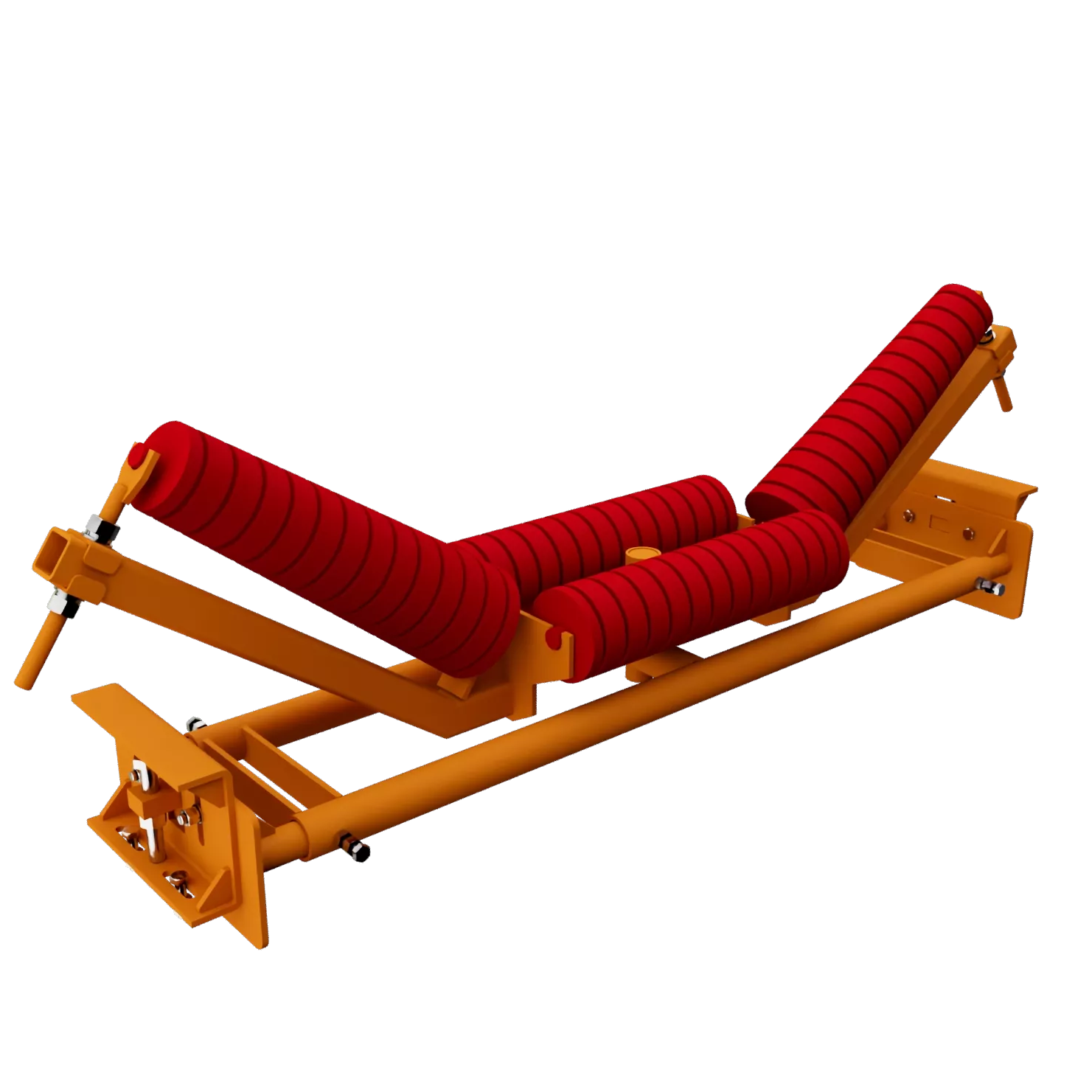
Rollers are crucial for the smooth functioning of conveyor systems. They help distribute the load across the conveyor belt and reduce friction. High-quality rollers ensure that the system operates efficiently, with less wear and tear on both the conveyor belt and the rollers themselves.
Drive Devices: Powering the Conveyor Systems
Drive devices, including motors and reducers, are responsible for powering the conveyor system. These components need to be powerful enough to handle heavy loads without consuming excessive energy. Efficiency is key; modern systems use energy-efficient motors to reduce operational costs while maintaining consistent performance.
Tensioning Mechanisms for Conveyor Stability
Tensioning mechanisms are essential for maintaining the right amount of belt tension. Conveyor belts can lose their tension over time, causing misalignment and operational inefficiencies. Both manual and automatic tensioning systems are used, with the automatic systems being more efficient in maintaining belt stability under fluctuating loads.
Conveyor Belt Cleaning Systems
Efficient cleaning systems are essential for minimizing material buildup on conveyor belts. If debris accumulates, it can reduce belt efficiency and cause unnecessary wear. Modern conveyor systems often incorporate automatic cleaning mechanisms that remove material buildup without interrupting operations.
Tip: Conveyor belt maintenance, including cleaning, should be part of regular operational procedures to extend the life of the system and prevent costly downtime.
Choosing the Right Conveyor System for Mining Operations
Factors Affecting Conveyor System Selection
Selecting the right conveyor system for mining operations requires evaluating several important factors. These factors help ensure that the system operates efficiently and reliably under harsh conditions. Here are the key considerations:
Factor | Description |
Material Type | Hard, abrasive materials like rocks and ores need robust belts and components to prevent wear and extend system life. |
Load Capacity | The system must be designed to handle the weight of the transported material without risk of breakdowns or damage to components. |
Environmental Conditions | Extreme conditions such as high temperatures, humidity, or dust can affect system performance, requiring specialized components to ensure reliability. |
By evaluating these factors, mining operations can choose a conveyor system that fits their specific needs and ensures optimal performance.
Cost-Benefit Analysis: Investing in Heavy Duty Conveyors
While heavy-duty conveyors come with a higher initial cost, their long-term benefits far outweigh the investment. They require less maintenance, are more energy-efficient, and last longer than cheaper alternatives. A thorough cost-benefit analysis will help you make an informed decision.
Tailoring Conveyor Systems for Specific Mining Operations
Every mining operation is unique, so conveyor systems must be tailored to fit specific needs. Underground mines, for example, require smaller, more flexible conveyor systems, while open-pit mines need robust, long-distance solutions.
Technological Advancements in Industrial Conveyor Systems for Mining
Automation and Sensor Technology in Mining Conveyors
Recent advancements in automation and sensor technology have made conveyor systems smarter. These technologies enable real-time monitoring of system performance, allowing for predictive maintenance. By identifying issues before they cause downtime, mines can reduce costly repairs and maintain consistent operations.
Sustainability in Mining Conveyor Systems
Sustainability is a growing concern in all industries, including mining. Conveyor systems are now designed to be more energy-efficient, using less power and generating fewer emissions. Additionally, materials are being sourced responsibly, and systems are optimized to reduce their overall carbon footprint.
Common Challenges and Solutions in Mining Conveyor Systems
Overcoming Harsh Mining Environments
Mining operations often take place in extreme conditions. Conveyor systems must be designed to withstand the elements, including high humidity, dust, and fluctuating temperatures. Using materials like steel-cord belts and corrosion-resistant components can ensure that systems last longer in these environments.
Managing Conveyor Belt Wear and Tear
Over time, conveyor belts will experience wear and tear due to continuous operation. Regular maintenance, including belt alignment, tensioning, and cleaning, can extend the life of the system and prevent costly repairs.
Minimizing Downtime in Conveyor Operations
Downtime is one of the biggest challenges in mining operations. To minimize this, conveyor systems should be monitored with sensors that track performance and provide early warnings of potential failures. Predictive maintenance can help reduce unexpected breakdowns and keep operations running smoothly.
Conclusion
Heavy-duty industrial conveyor systems are essential in modern mining operations. They improve efficiency, reduce downtime, and enable continuous material transport across harsh environments. These systems operate reliably 24/7, supporting mining success.
Looking ahead, conveyor systems will continue to evolve with advancements in automation, sustainability, and energy efficiency. Companies like Hanpeng Material Rubber Industry (Liaoning) Co., Ltd. offer durable conveyor solutions, ensuring reduced costs and increased productivity for mining operations.
FAQ
Q: What are heavy-duty industrial conveyor systems used for in mining operations?
A: Heavy-duty industrial conveyor systems are essential for transporting materials across mining sites. They improve efficiency by handling large volumes of material continuously under harsh conditions.
Q: How do industrial conveyor systems improve mining efficiency?
A: Industrial conveyor systems streamline material transport, reduce reliance on manual labor, and operate 24/7, thus minimizing downtime and enhancing overall productivity in mining operations.
Q: Why are heavy-duty conveyors necessary for mining operations?
A: Heavy-duty conveyors are designed to handle extreme conditions, heavy materials, and long-distance transport, ensuring reliable and efficient operation in challenging mining environments.
Q: What are the key components of industrial conveyor systems for mining?
A: Key components include rollers, drive devices, tensioning mechanisms, and cleaning systems, all working together to ensure smooth operation and minimize maintenance.
Q: How do industrial conveyor systems reduce operational costs in mining?
A: By improving transport efficiency, reducing downtime, and requiring less manual labor, industrial conveyor systems help mining operations lower energy consumption and maintenance costs.
Q: What is the future of industrial conveyor systems in mining?
A: The future includes innovations in automation, energy efficiency, and sustainability. These advancements will reduce operational costs, improve reliability, and increase mining productivity.


