Introduction
Industrial conveyor idlers are the unsung heroes of material handling systems. They play a critical role in ensuring smooth operations across various industries. While they may not always grab attention, their impact on efficiency is undeniable.
In this article, we will explore the importance of industrial conveyor idlers and dive into the types available. You’ll also learn how to select and maintain them for long-term reliability. By the end, you'll have a deeper understanding of optimizing your conveyor systems for peak performance.
What Are Industrial Conveyor Idlers?
Definition and Basic Functions of Idlers
Industrial conveyor idlers are cylindrical rollers that support and guide conveyor belts. Positioned at strategic points along the conveyor path, they help reduce friction, distribute the weight of the materials, and keep the belt running smoothly. Idlers are crucial for minimizing wear and tear on the belt and the system as a whole, ensuring longevity and efficient operation.
They perform the vital task of keeping the conveyor belt properly aligned and supporting the weight of transported goods, helping to prevent belt misalignment, excessive wear, and material spillage.
Key Components of Idlers
The typical idler consists of several key components:
● Roller Body: This is the main cylindrical part that carries the weight of the materials and supports the conveyor belt.
● Bearings: Bearings allow the roller to rotate smoothly, reducing friction and wear.
● Seals: Seals protect the internal components, preventing contaminants from damaging the bearings and other parts.
Together, these components work to ensure that the idler functions efficiently and lasts for a long time.
Types of Industrial Conveyor Idlers
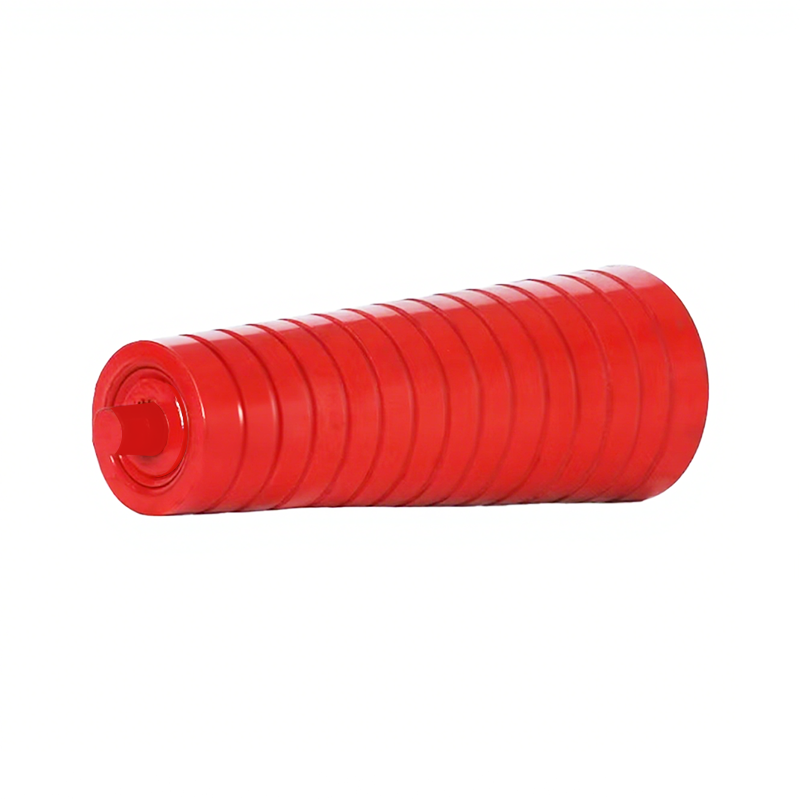
Heavy-Duty Idlers
Industrial conveyor idlers are essential components designed to support and guide conveyor belts in various industries. Each type of idler is built to handle specific operational needs, such as heavy loads, belt alignment, and reducing wear. Below is a summary of the most common types of industrial conveyor idlers and their key features.
Type of Idler | Key Features | Use Case |
Heavy-Duty Idlers | Handles large loads, built for tough conditions, enhances durability | Used in mining, construction for heavy material transport |
Belt Conveyor Idlers | Guides and supports the belt, prevents misalignment, reduces wear | Common in warehousing and packaging industries for sorting and moving packages |
Return Idlers | Supports return side of belt, maintains alignment, reduces sagging | Critical in long conveyor systems, such as cement transport |
Self-Aligning Idlers | Corrects misalignment automatically, reduces material spillage | Ideal for high-speed sorting systems that require precise alignment |
These idlers help ensure smooth, efficient, and reliable conveyor system performance across various industrial applications. Choosing the right type depends on factors like load capacity and operational conditions.
Applications of Industrial Conveyor Idlers
Manufacturing and Production
In manufacturing environments, conveyor systems are essential for the seamless movement of goods through production lines. Idlers are responsible for supporting the belts that move materials between workstations, minimizing downtime, and improving productivity.
For example, in automotive assembly plants, conveyor idlers help move parts efficiently between different production stations, ensuring consistent and smooth material flow.
Logistics and Warehousing
Logistics operations rely heavily on conveyors for efficient sorting, packaging, and transporting of goods. Idlers help maintain the belt's alignment and smooth operation, ensuring minimal downtime in high-volume environments like warehouses or distribution centers.
Example: Large e-commerce warehouses use conveyors to move products quickly through sorting systems, and well-maintained idlers ensure the system operates without interruptions.
Mining and Heavy Industries
In heavy industries like mining, idlers are used to support large, heavy-duty conveyor systems that move bulk materials over long distances. They provide the necessary support for carrying materials such as coal, ores, and gravel, ensuring that these materials reach their destination safely and efficiently.
Example: Mining operations use conveyor systems with heavy-duty idlers to transport minerals from extraction sites to processing plants, reducing manual handling and boosting efficiency.
Food and Beverage Processing
In the food industry, conveyor systems are used for moving raw materials, processing ingredients, and packaging products. Idlers ensure the belts run smoothly, preventing contamination and maintaining hygienic standards in food handling.
Example: Food processing plants rely on idlers to move food products through stages like washing, cutting, and packaging, ensuring minimal product handling and maintaining hygiene.
Construction and Raw Material Transportation
Idlers are critical in the construction industry, where large quantities of raw materials like cement, sand, and gravel need to be transported over long distances. They help reduce friction and maintain alignment, ensuring that heavy loads can be moved with ease.
Example: Large construction projects often use conveyor systems to transport materials to different parts of the site, and idlers help ensure the system operates without hitches.
How to Choose the Right Industrial Conveyor Idlers?
Assessing Load Requirements
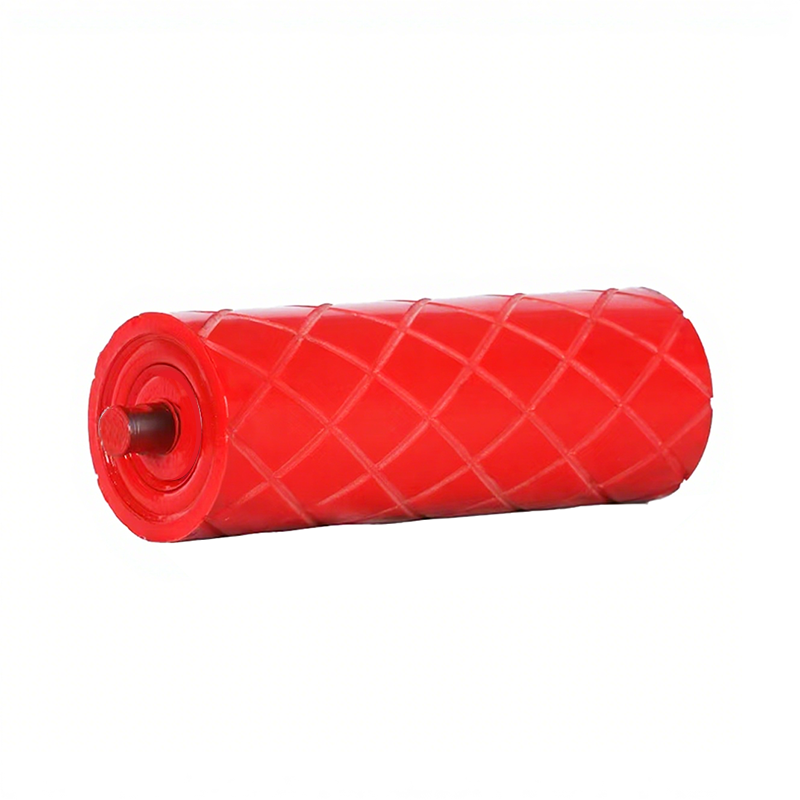
When selecting idlers, it's crucial to consider the load they will be supporting. Heavier loads require stronger, more durable idlers designed to withstand high-pressure environments. Ensure the idlers are rated for the maximum load the conveyor system will carry to avoid premature wear or failure.
Considering Operational Environment and Conditions
The environment in which the conveyor system operates plays a significant role in idler selection. Factors like temperature, humidity, and exposure to corrosive materials can influence the lifespan and performance of the idlers.
Example: In corrosive environments like chemical plants, idlers with special coatings or materials that resist corrosion are essential for long-term operation.
Optimizing Energy Consumption and Reducing Friction
Low-friction idlers are designed to minimize energy consumption by reducing the resistance between the idler and the conveyor belt. Choosing these idlers can lower operational costs and improve system efficiency by allowing the conveyor to run smoothly with less energy.
Cost-Efficiency Analysis
While it’s tempting to go for the cheapest option, investing in high-quality idlers can save money in the long run by reducing maintenance costs, improving system reliability, and extending the lifespan of the conveyor system.
Maintenance and Care for Industrial Conveyor Idlers
Regular Inspections and Fault Diagnosis
To ensure idlers are working properly, regular inspections are necessary. Check for signs of wear, damage, or misalignment and replace or repair components as needed. Proactive maintenance prevents costly downtime.
Cleaning and Lubrication
Keep idlers clean and well-lubricated to extend their service life. Dirt and debris can damage bearings, while proper lubrication reduces friction and wear.
Replacing and Repairing Idlers
Over time, idlers will wear out or become damaged. Replacing them on time ensures smooth operation and prevents further damage to the conveyor system. Repairs should be done immediately when issues are identified.
Preventing Common Failures
Prevent common issues like misalignment, excessive friction, and bearing wear by maintaining proper tension and alignment. Using the right type of idler for the application can help mitigate these problems.
Efficiency Optimization and Innovative Technologies for Idlers
New Materials and Designs
Recent advancements in idler materials and designs have focused on enhancing durability, reducing wear, and increasing energy efficiency. Look for idlers made from wear-resistant materials that can handle tough environments.
Example: Idlers with ceramic coatings or advanced polymers are designed to last longer in abrasive environments.
Automation and Smart Monitoring Systems
Smart monitoring systems that track idler performance and predict failures are becoming increasingly common. These systems help improve maintenance schedules, reduce downtime, and optimize overall conveyor system efficiency.
Energy-Efficient Idlers
As energy costs rise, many industries are opting for energy-efficient idlers that minimize friction and reduce energy consumption. These idlers are essential for companies looking to lower operational costs while maintaining high performance.
Common Problems with Conveyor Idlers and Solutions
Belt Misalignment and Solutions
Belt misalignment is a common problem caused by worn or improperly positioned idlers. Regular maintenance, including adjusting idlers and using self-aligning rollers, can help prevent this issue.
Overloading and Damage
Overloading can cause excessive wear on idlers, leading to premature failure. Ensure your idlers are rated for the maximum load capacity, and avoid overloading to extend their lifespan.
Material Spillage and Cleanup
Improperly aligned or worn-out idlers can lead to material spillage. To prevent this, ensure that idlers are maintained properly and align the conveyor belt regularly.
Conclusion
Industrial conveyor idlers are essential for the smooth and efficient operation of conveyor systems. By understanding the different types of idlers and selecting the right ones, businesses can optimize their systems and reduce downtime. Proper maintenance, including regular inspections and smart monitoring, ensures long-term performance. Hanpeng Material Rubber Industry (Liaoning) Co., Ltd. offers high-quality idlers that enhance operational efficiency, providing value through durable and reliable products for various industrial applications.
FAQ
Q: What are Industrial Conveyor Idlers?
A: Industrial Conveyor Idlers are cylindrical rollers that support and guide conveyor belts, reducing friction and ensuring smooth operation in various industries.
Q: How do Tracker Roller Systems Idler Rollers differ from traditional idlers?
A: Tracker Roller Systems Idler Rollers are designed to automatically correct belt misalignment, improving tracking and minimizing wear compared to traditional idlers.
Q: Why are Industrial Conveyor Idlers important in manufacturing?
A: Industrial Conveyor Idlers are essential in manufacturing to ensure smooth material handling, reduce downtime, and maintain belt alignment, improving overall efficiency.
Q: How do I choose the right Industrial Conveyor Idlers?
A: When choosing Industrial Conveyor Idlers, consider the load capacity, environmental conditions, and the specific needs of your conveyor system for optimal performance.
Q: What causes misalignment in Industrial Conveyor Idlers?
A: Misalignment in Industrial Conveyor Idlers is often caused by uneven wear, improper installation, or external forces that push the belt off track, leading to increased friction and material spillage.
Q: How can I prevent damage to my Industrial Conveyor Idlers?
A: Regular inspections, proper alignment, and the use of high-quality materials can help prevent damage to Industrial Conveyor Idlers, extending their lifespan and reducing repair costs.


